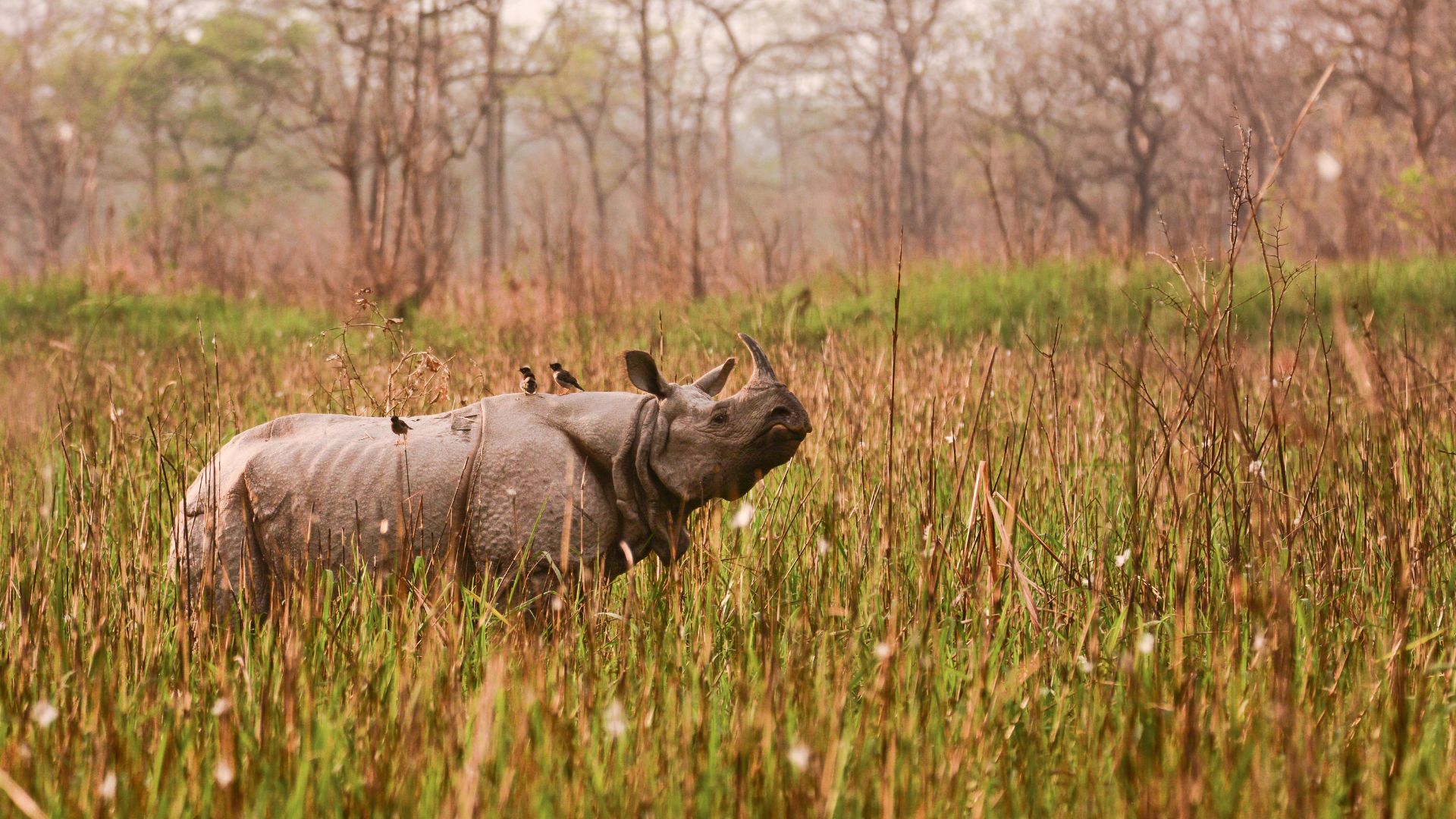
When the headlines feel relentless, it helps to remember that conservation actually works. The last year has delivered some of the most dramatic wildlife recoveries and scientific breakthroughs in decades. These stories rarely make the front page but deserve far more attention. Here are the positive conservation stories that genuinely changed the picture for nature in the last year.
Green Turtles: A 43-Year Journey Off the Endangered List

In October 2025, the International Union for Conservation of Nature (IUCN) made an announcement that stunned the marine biology community. The green sea turtle, which had been listed as endangered since 1982, was officially reclassified as “Least Concern” on the IUCN Red List of Threatened Species. The announcement was made at the IUCN World Conservation Congress in Abu Dhabi.
What makes this story remarkable is the sheer scale of the turnaround. During Columbus’s second voyage in the 1490s, a Spanish chronicler wrote that the sea near Cuba was so thick with green turtles that ships could navigate at night by the sound of their shells bumping against the wooden hulls. By the late 20th century, populations had collapsed by 48 to 67%. Today, thanks to five decades of sustained effort, the global population has increased by approximately 28% compared to 1970s and 1980s levels.
Research Insight: The green turtle’s IUCN reclassification is one of the most significant global status improvements ever documented for a long-lived marine vertebrate. The species skipped intermediate categories, jumping directly from “Endangered” to “Least Concern”, a leap with almost no precedent in the IUCN’s history.
The recovery was driven by a combination of legally protecting nesting females and their eggs, reducing unsustainable harvesting, and the widespread adoption of Turtle Excluder Devices (TEDs) in fishing nets, which are simple metal grids that allow turtles to escape while retaining the catch. Conservation has been particularly successful at sites in Ascension Island, Brazil, Mexico, and Hawaii, where some populations have rebounded to near pre-commercial exploitation levels.
But, it’s important to note that scientists say that the work is far from over. Four of eleven assessed subpopulations are still in decline, and threats from climate change, coastal development, and fishing bycatch are on-going. But still, it’s important to note that when we protect nesting beaches and change fishing practices, the ocean has the ability to make a comeback!
Koala DNA Is Bouncing Back From the Brink
Koalas were once pushed to the edge of extinction by hunting, disease, and habitat destruction. It was so severe that their genetic diversity plummeted dangerously low. But a landmark study published in Science in March 2026, analyzing the whole genomes of 418 koalas across 27 populations in Australia, delivered remarkable news: as koala numbers rebound, their DNA is actively healing itself.
The research found that rapid population growth triggers more recombination, which is the biological process that shuffles DNA into new combinations, rebuilding functional genetic diversity that had been lost. In Victoria, where koalas passed through the most severe historical bottleneck, tooth and testicle malformations are already declining, possibly linked to this improved genetic health. Lead researcher Dr. Collin Ahrens noted: “Species that pass through severe population crashes are not always trapped in an irreversible genetic downward spiral.”
The Rhino Dehorning Study That Rewrote Anti-Poaching Strategy

South Africa’s Greater Kruger region is home to roughly 25% of all Africa’s remaining rhinos. It is also one of the most heavily poached landscapes on Earth. Between 2017 and 2023, 1,985 rhinos were killed across eleven reserves, which was about 6.5% of the entire population every single year, despite the reserves spending approximately $74 million (around R1.3 billion or £58 million) on anti-poaching operations including ranger patrols, helicopter surveillance, and tracking dogs.
But, then came a landmark study published on June 5, 2025, in the journal Science. Co-led by the University of Cape Town (UCT) in partnership with Nelson Mandela University, Stellenbosch University, and the University of Oxford, the research delivered the most compelling evidence yet for one of conservation’s most controversial tools: dehorning.
Research Insight: Across eight reserves, 2,284 rhinos were dehorned using just 1.2% of the total rhino protection budget. The result was a 78% reduction in poaching. Rhinos without horns were nearly four times less likely to be killed. It is now considered one of the most cost-effective anti-poaching interventions ever documented.
Dehorning involves sedating the animal, which is often a multi-ton white rhino, covering its eyes and ears, and trimming the horn with a chainsaw. The process is safe for the animal, causes no lasting harm, and crucially, the horn grows back within one to two years, requiring repeat procedures. Critics once questioned the ecological cost of removing an animal’s primary defense tool. But the data now shows that rhinos in dehorned reserves maintained their breeding rates and mortality rates at normal levels.
Rhino researcher Vanessa Duthe summarized it plainly: “What we do know is that the benefits of dehorning by far outweigh any ecological cost that we’re aware of today.”
However, challenges still remain. Some poachers have begun targeting dehorned rhinos for their horn stumps and regrowth. There is legitimate concern that poaching pressure could move toward reserves that have not dehorned their rhinos. But for now, this research has given conservation managers a powerful, evidence-backed tool at a fraction of the cost of traditional enforcement.
Humpback Whales Have Recovered So Well, It’s Changing Their Love Lives
Before commercial whaling decimated their populations in the 20th century, around 120,000 humpback whales swam the world’s oceans. At their lowest point, some populations were reduced by 95%. However, since the global commercial whaling ban took effect in 1986, their numbers have been climbing, and a study published in Current Biology in February 2026 by the University of St Andrews revealed just how profound that recovery has become.
Analyzing nearly 20 years of breeding data from humpbacks near New Caledonia in the South Pacific, researchers found that as populations rebounded, older males, experienced singers with refined competitive tactics, increasingly outcompeted younger rivals to father calves. Early in the recovery, young males dominated breeding simply because older ones were so scarce. Now, with mature whales returning in growing numbers, natural social dynamics are reasserting themselves. It is one of the most compelling markers yet that a once-devastated population has returned to genuine ecological health.
Positive Conservation Stories From Britain’s Rivers and Wetlands

England’s beavers were hunted to extinction roughly 400 years ago. By 2025, they were back, and finally legal. In February 2025, the English government laid out a formal, clear legal pathway for wild beaver reintroductions outside of enclosed areas, resolving years of murky regulatory status that had frustrated conservationists.
This matters because beavers are what ecologists call a “keystone species”; animals that reshape entire ecosystems simply by doing what they do naturally. Their dams slow water flow, creating wetlands that support dragonflies, otters, kingfishers, water voles, and hundreds of plant species. In river catchments prone to flooding, beaver wetlands have been shown to reduce downstream flood peaks by up to 30%.
Did You Know? Beavers were once found across almost all of Europe and Asia. By the 16th century they were extinct in the UK, hunted for their waterproof fur, meat, and the glandular secretion castoreum, which was used in medieval medicine. Their return to British rivers after four centuries is one of the great rewilding stories of our time, and is now gathering serious legal and governmental support.
Meanwhile, the brown trout, an indicator species for river health, returned in 2025 to Swedish rivers that had been stripped of life by industrial pollution. And in Scotland, cranes staged what conservationists called a “remarkable” comeback, having been hunted to extinction in the country centuries ago.
Gorillas in the Mist, and Back Again

Few conservation setbacks are more devastating than the death of a silverback gorilla. In the Dzanga-Sangha Protected Areas complex in the Central African Republic, which is one of the world’s most important refuges for western lowland gorillas, all three silverbacks from the reserve’s habituated groups died within less than two years. Without a silverback, a gorilla group cannot be safely observed by tourists, and the vital income that ecotourism generates for rangers and local communities evaporates.
In 2025, the WWF team at Dzanga-Sangha achieved something that normally takes years: they successfully habituated an entirely new gorilla group in record time. The new group is led by a silverback named Limo, and tourists are now once again able to observe these extraordinary animals in the wild.
Why This Matters: “Habituation”, which is the slow process of getting wild gorillas comfortable enough with human presence to allow safe observation, typically takes between two and five years. Achieving it faster than ever recorded, after back-to-back silverback losses, is a testament to the institutional knowledge built by the Dzanga-Sangha teams over decades. It also highlights how conservation and community income are inseparable: no ecotourism revenue means no rangers, no rangers means no protection.
Scotland Moves Closer to Lynx Reintroduction
The Eurasian lynx has been extinct in Britain for over 500 years, after it was hunted out of existence during the Middle Ages. Earlier this year, that began to change! The Lynx to Scotland partnership launched a major public consultation in January 2026, reaching 89,000 households across the Highland and Moray regions, with 42 public information meetings held across rural communities.
A Survation opinion poll conducted at the same time found that 61% of Scottish people now support reintroduction, which is a figure that has been steadily climbing. Studies suggest the Scottish Highlands could sustainably support up to 250 lynx. The cats would primarily prey on roe deer, which have reached their highest numbers in 1,000 years, relieving intense pressure on regenerating woodlands. Conservationists also argue that their return could generate significant ecotourism revenue for rural Highland communities, making the case as much economic as it is ecological.
Seagrass Meadows: The Ocean’s Quiet Climate Heroes Are Coming Back

Seagrass is one of the ocean’s most underrated ecosystems. Per square kilometer, a healthy seagrass meadow can sequester carbon up to 35 times faster than a tropical rainforest, but seagrass has been disappearing from coastlines worldwide due to coastal development and agricultural runoff.
In 2025, community-based seagrass restoration projects reported encouraging results across multiple continents, with successfully replanted meadows proving that when local communities take ownership of these ecosystems, regrowth is possible. In Myanmar, a Fauna & Flora team reached a milestone in August 2025 with the establishment of the country’s first community-led sea turtle conservation zone committee, including a dedicated youth conservation group, in Kyarkan Village. Since 2018, the team has safely released over 40,000 turtle hatchlings into the sea, while removing over 2 metric tons (4,400 lbs) of marine debris from nesting beaches in the process.
A $200 Billion Commitment: The World Agrees to Fund Nature
In March 2025, at the COP16 biodiversity conference in Rome, 196 nations agreed to mobilize at least $200 billion (approximately £155 billion) per year by 2030 to help developing countries conserve biodiversity. This commitment was hammered out in difficult negotiations and covers everything from protecting tropical forests to restoring coastal wetlands and creating new marine protected areas.
Research Insight: The deal was described by Lin Li, the senior director for global policy at WWF International, as a “win for multilateralism in uncertain times.” It was agreed by all 196 signatory states to the Convention on Biological Diversity, which is a rare moment of global consensus at a time when international cooperation on environmental issues has faced serious headwinds.
Separately, in Brazil, the Amazon Region Protected Areas program announced a major new phase covering 58.6 million acres (23.7 million hectares) of sustainable-use protected forest; an area roughly twice the size of the U.S. state of Ohio. The new phase also adds another 7.4 million acres (3 million hectares) of newly protected land while providing economic benefits to more than 130,000 people living within and around the protected areas.
Smithsonian’s Bird-Friendly Glass: A Simple Fix That Saves Thousands of Lives

Every year, an estimated 600 million to 1 billion birds die from window collisions in the United States alone. Glass, which reflects the sky and trees rather than appearing as a solid surface, is effectively invisible to birds in flight. In 2024 and 2025, the Smithsonian’s National Zoo tackled this problem head-on at its own glass-walled enclosures and windows, adding a pattern of small dots to make the glass visible to birds.
The result was that bird deaths at the zoo plummeted. The intervention cost a fraction of what a single bird-monitoring program costs annually, and it proved that one of the world’s most common causes of bird mortality has a straightforward, affordable solution that is available right now.
The move is part of a growing push, particularly along important migratory corridors in North America, to retrofit buildings with bird-friendly glass or UV-reflective markers that are invisible to the human eye but visible to birds. Several U.S. cities, including New York, Chicago, and San Francisco, now require bird-safe design in new buildings.
What All These Positive Conservation Stories Have in Common
None of these wins happened overnight, and none of them happened because of a single hero or a single government. They happened because of decades of patient, evidence-based work by rangers, researchers, local communities, and international coalitions.
The green turtle required 43 years of beach protection on six continents. The rhino dehorning result came from seven years of comparative data and a collaboration between four universities across two countries. Gorilla habituation at Dzanga-Sangha was only achievable in record time because of institutional memory built over generations of fieldwork. And the $200 billion biodiversity funding deal required every nation on Earth to find common ground despite competing economic pressures.
The Bigger Picture: A 2025 study published in Science Advances found that elephant populations in southern Africa have not only reversed their decline over the past 25 years; they have actually started to grow. Meanwhile, WWF’s Earth Hour supporters logged nearly 128,000 hours of conservation action in 2025 alone, which is equivalent to more than 14 years of continuous effort. Collectively, these data points point to something significant: conservation momentum is building.
The science is clear and the results are real. When we act with sustained determination, protecting nesting beaches, reforming fishing practices, funding ranger teams, restoring keystone species, and applying rigorous evidence to every intervention, nature responds. These positive conservation are the predictable result of doing the right things, in the right places, with the right people.
The world needs to hear these stories more. And the people doing this work need us to keep paying attention, because the next breakthrough is already underway.
You Might Also Like:
What Happens When a Species Disappears? The Chain Reaction Nobody Talks About
Rewilding Wolves in Europe Made Butterflies More Colorful. Here’s Why
The Serengeti Would Collapse Without One Tiny, Unglamorous Insect
Sources:
Kuiper, Tim, et al. “Dehorning Reduces Rhino Poaching.” Science, vol. 388, no. 6749, 5 June 2025, p. 1075. American Association for the Advancement of Science, 2025.
“Global Green Turtle Population Rebounds Thanks to Conservation Efforts.” World Wildlife Fund, 10 Oct. 2025.
“Global Biodiversity Agreement Mobilises $200 Billion Boost for Nature.” UN News, United Nations, 28 Feb. 2025.
“Wild Beavers: Nature’s Engineers to Return to English Waterways.” GOV.UK, Department for Environment, Food & Rural Affairs and Natural England, 28 Feb. 2025.
“How Conservation in Dzanga-Sangha Supports People.” World Wildlife Magazine, World Wildlife Fund, Summer 2025.
“The National Zoo Is Saving Birds One Window at a Time.” Wild Hope, 28 Apr. 2025.


Leave a Reply