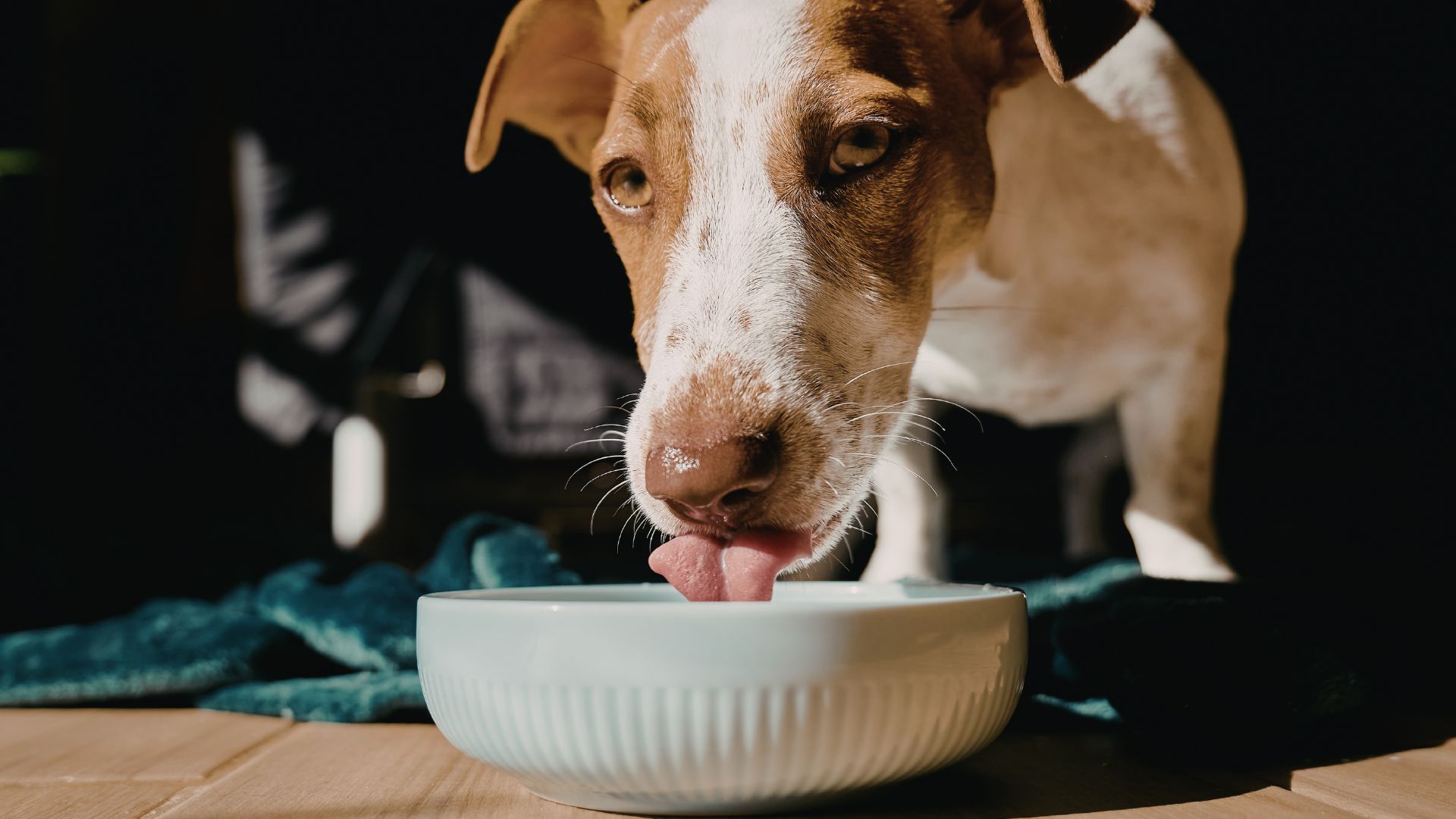
Over the past decade, the raw pet food movement has grown from a niche interest into a massive global trend. Pet owners across the world are now filling their freezers with tubs of raw meat, bones, organs, and vegetables, convinced that they are offering their cats and dogs a more natural, species‑appropriate way of eating.
To many pet owners, the contrast seems stark: on one side, you have heavily processed kibble with ingredients that you can hardly pronounce; but on the other side, you have fresh, recognizable animal parts that look much closer to what a wild canine or feline might actually hunt in the wild!
Social media has only fueled the trend. Pet owners proudly share photos of neatly prepared bowls of minced meat, along with testimonials about their pets’ glossier coats and improved health. However, despite the enthusiasm, few veterinarians openly endorse raw feeding. In consultations, they tend to urge caution, citing “risks” and “insufficient evidence,” often without any dramatic warnings.
Bur beneath this divide, however, lies a deeper and growing concern, one that goes beyond a simple debate over what is “natural.”
How Pet Owners and Vets See Raw Pet Food Very Differently

The concern from veterinarians really comes down to a difference in perspective. Most pet owners judge raw feeding by what they can actually see: a pet that’s excited to eat, smaller or firmer stools, a shinier coat, less itching, and that satisfying feeling of giving them “real food.” However, veterinarians aren’t just looking at individual pets; they’re looking at broader patterns in research, lab results, and public health data. When scientists study commercial and homemade raw diets, they consistently find much higher levels of bacterial contamination than in cooked pet foods. These are the same kinds of bacteria that cause food poisoning in people.
Cats and dogs that are fed raw pet food can shed these bacteria in their faeces, even when they seem completely happy and healthy. In other words, a raw-fed pet can become an invisible carrier, spreading germs around the home through its fur, paws, saliva, litter tray, and everyday environment.
For healthy adults, this might lead to nothing more than a mild, short-lived case of diarrhoea, if anything at all. But for young children, older adults, pregnant people, or anyone with a weakened immune system, the consequences can be much more serious.
From a veterinarian’s perspective, this risk is one of the biggest concerns with raw feeding. The issue isn’t just the pet’s health; it’s that the risk can quietly extend to vulnerable people in the household who have no say in what the pet eats.
Antibiotic Resistance: The Hidden Threat in Raw Pet Food
An even less obvious issue, and one that seldom appears in popular discussions of raw pet food, involves antibiotic resistance. When researchers examine bacteria isolated from raw diets, they often find genes that confer resistance to critically important antibiotics, those which human and veterinary medicine rely on when first‑line drugs fail. This means that feeding raw pet food has the potential to introduce “superbugs” into the household. Resistant bacteria can be carried on the food itself, shed in faeces, or transferred onto kitchen surfaces and your hands during meal preparation.
From a public‑health perspective, this is alarming. Global health authorities are already grappling with rising antimicrobial resistance; adding another reservoir, in the form of pets repeatedly exposed to contaminated raw meat, makes the problem harder to control. For veterinarians, whose professional responsibilities span both animal and human health, this connection between raw feeding and resistant bacteria is a quiet but persistent source of worry.
Nutritional Pitfalls: Why Raw Pet Food Isn’t Automatically “Balanced”

Beyond microbiology, many vets are also concerned about the nutritional tightrope that raw pet food represents. The marketing of raw diets frequently leans on phrases like “biologically appropriate” and “modelled on the ancestral diet.” Yet when nutritionists systematically evaluate homemade recipes that are often shared online, or even some commercial raw formulations, they often find substantial imbalances.
Dogs and cats have very specific requirements for calcium, phosphorus, trace minerals, essential fatty acids and vitamins. Simply combining muscle meat, a few organs, and some vegetables rarely results in a complete and balanced diet without careful formulation. Deficiencies or excesses might not cause obvious problems in the short term; a puppy or kitten can look completely healthy on the outside while its bones are subtly unmineralized, or while its joints and organs are being set up for disease later in life. Veterinarians are trained to think across an animal’s entire lifespan, so they are wary of diets that appear to rely heavily on anecdotal success over a few months, without solid evidence of long‑term safety.
Bones in Raw Pet Food: Natural Chews or Emergency Risks?
The inclusion of bones in raw pet food introduces another category of risk that owners and vets often perceive differently. From the owner’s viewpoint, raw meaty bones can seem like a natural toothbrush, scratching away plaque while providing enrichment and satisfying chewing instincts. In the veterinary clinic, however, bones are also associated with fractured teeth, gastrointestinal obstructions, and even perforations of the intestines, which may require emergency surgery and can be life‑threatening.
Not every raw‑fed animal will experience these complications, but the number of serious cases that do present in clinics is enough to shape a more cautious professional stance. For vets, the question is not whether bones can help with teeth in some animals, but whether the potential benefits justify the very real surgical risks they see when things go wrong.
What Veterinary Associations Say About Raw Pet Food

These concerns are reflected in the positions of major veterinary and public‑health organizations around the world. Across multiple countries, professional bodies have reviewed the evidence and concluded that the documented risks of raw pet food to both animals and people outweigh the proposed benefits. Their statements often emphasize that there is limited robust research demonstrating superior health outcomes for pets on raw diets, particularly when compared with properly formulated cooked diets, whether they are commercial or home‑prepared.
At the same time, they highlight the consistent detection of pathogens in raw products, the potential for human illness, and the challenges of achieving nutritional balance without expert input. This international alignment explains why many vets remain skeptical, even as they encounter an increasing number of clients who are convinced of raw feeding’s advantages.
The Trust Gap: Raw Pet Food, Social Media, and the Vet–Owner Relationship
But the tension surrounding raw pet food is also relational. Many owners who embrace raw diets feel that they are taking an active, thoughtful role in their pets’ well-being. They may have spent hours researching ingredients, joining online communities, and scrutinizing labels. When they encounter a veterinarian who seems dismissive or negative about raw diets, they can interpret this as closed‑mindedness or commercial bias toward certain pet food brands.
On the veterinary side, there is often frustration as well: clinicians see preventable problems, such as infections, fractures, or nutrient‑related disorders, linked to poorly designed raw feeding practices, but they may struggle to communicate their concerns without undermining trust. As a result, some owners hide the fact that they are feeding raw pet food, and some vets avoid asking detailed questions about diet, further widening the information gap between them. This makes it harder to address real risks, because the topic that needs honest discussion becomes a source of defensiveness on both sides.
Safer Ways to Approach Raw Pet Food if You Won’t Give It Up

For pet owners trying to navigate this decision, the question is not simply whether raw pet food is “good” or “bad,” but how to weigh its perceived benefits against its documented risks. If an owner is determined to pursue a raw diet, most veterinary nutrition experts recommend doing so under careful professional guidance. That means working with a qualified nutritionist to design a diet that meets established nutrient requirements for the animal’s species, age, and health status, rather than relying on generic recipes from social media.
It also means taking food safety seriously: handling raw pet meat with the same, or even greater, care one would apply when preparing raw poultry for a young child, using dedicated utensils and bowls, disinfecting surfaces, and washing their hands thoroughly after every contact. In households that include very young, elderly, pregnant, or immunocompromised individuals, many authorities advise avoiding raw feeding altogether because the stakes are simply higher. Being honest with your vet about exactly what your pet eats allows them to look out for early signs of nutritional or infectious problems and intervene before they become crises.
Beyond Raw Pet Food: Fresh Diets Without the Same Level of Risk
It is also worth remembering that the desire for “less processed” and “more natural” is not limited to raw pet food. There are cooked, whole‑food diets, both commercial and home‑prepared, that aim to provide recognizable ingredients in a form that has been rendered safe through appropriate heat treatment and rigorous quality control. For some families, these cooked options may offer a compromise: fresh, high‑quality components combined with far lower microbiological risk.
Discussing these alternatives openly with a veterinarian can turn a potentially adversarial conversation into a collaborative effort to find the best diet for a particular animal and household. In some cases, owners who initially wanted a purely raw regimen find that a carefully formulated cooked diet, or a combination approach guided by a nutritionist, better balances their values with the realities of safety and science.
A Balanced Conclusion: Making an Informed Choice About Raw Pet Food

Ultimately, the worry that many vets feel about raw pet food stems from their vantage point at the intersection of individual animal care, population health, and emerging scientific evidence. They see a trend that promises simple, intuitive benefits but carries complex, sometimes hidden costs: bacterial contamination, antibiotic resistance, subtle nutritional imbalances, and avoidable injuries.
None of this means that every raw‑fed pet will become ill, or that owners who choose raw pet food are irresponsible. It does mean, however, that the decision to feed raw pet food should be made with a clear understanding of these risks, not merely under the influence of persuasive marketing and carefully curated social media feeds. When owners and veterinarians are able to talk honestly about both values and evidence, it becomes possible to choose a diet that protects not only the visible health of the animal today, but the long‑term well-being of the entire household tomorrow.
Articles You Might Like:
Rewilding Wolves in Europe Made Butterflies More Colorful. Here’s Why
Signs Your Cat Loves You: 12 Subtle Clues You Might Be Missing
Sources:
“About Pet Food Safety.” Centers for Disease Control and Prevention, 29 Jan 2025.
“Raw Pet Food Diets Can Be Dangerous to You and Your Pet.” U.S. Food and Drug Administration, 3 Dec 2024.
“Raw Diets for Dogs and Cats: A Review, with Particular Reference to Bacteriological Risks.” Journal of Small Animal Practice, 25 Apr 2019.
“Detection of Antibiotic Resistant Enterobacterales in Commercial Raw Diets for Dogs and Cats.” Frontiers in Veterinary Science, 11 Jun 2024.
“Safety of Raw Meat-Based Pet Food Products.” Canadian Veterinary Medical Association, Position Statement, 15 Oct 2023.
“Raw Pet Food Risks: A Research Update.” Cummings School of Veterinary Medicine at Tufts University, 26 Oct 2025.


Leave a Reply