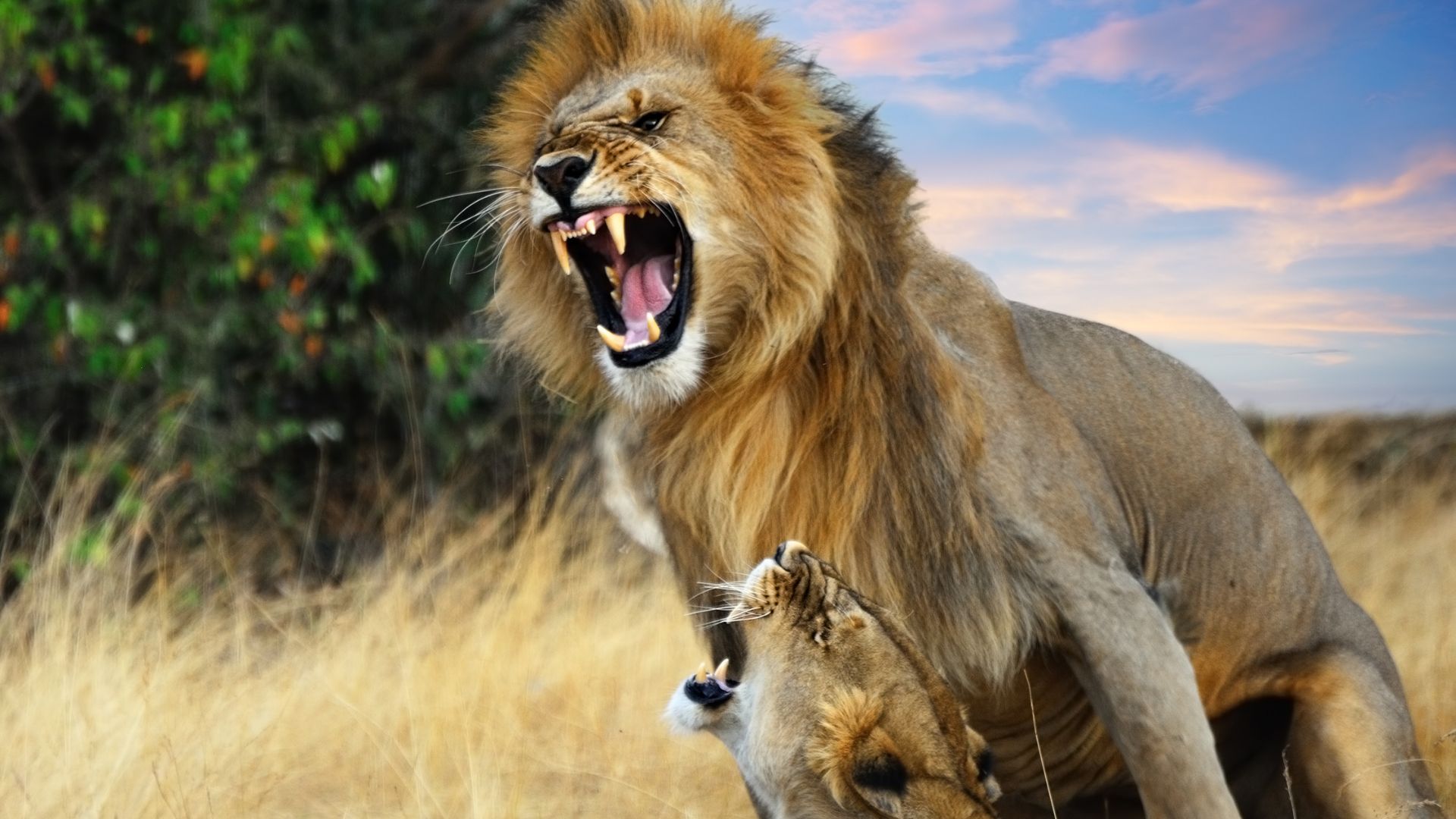
Africa is a continent of breathtaking beauty, with its vast savannas, ancient rainforests, and river systems teeming with life. But beneath that beauty lies a hierarchy of deadly creatures that commands respect. Whether you’re planning a safari or simply fascinated by wildlife, understanding the most dangerous animals in Africa could one day save your life. Some of the deadliest creatures wear the most unassuming disguises; but these are the most dangerous animals in Africa.
1. Mosquito: Africa’s Silent Killer

No list of the most dangerous animals in Africa is complete without starting here. The mosquito kills more humans on the continent than any other creature (over 570,000 people annually) primarily through malaria transmission. According to the WHO’s latest malaria fact sheet, sub-Saharan Africa bears over 90% of the global malaria burden, making it the most at-risk region on earth.
Female Anopheles mosquitoes carry the Plasmodium parasite, and a single bite in sub-Saharan Africa can prove fatal within days if untreated. Dengue, yellow fever, and Rift Valley fever add to the mosquito’s grim résumé. The mosquito is small, silent, and everywhere; this insect is Africa’s apex killer.
2. Nile Crocodile: The Ambush Predator

Lurking beneath the surface of rivers and lakes across sub-Saharan Africa, the Nile crocodile (Crocodylus niloticus) kills an estimated 200 to 300 people each year, making it one of the most dangerous animals in Africa. A peer-reviewed study published in Oryx synthesized decades of Nile crocodile attack data, revealing that attacks are most concentrated around subsistence fishing communities with limited access to medical care.
Growing up to six metres in length and capable of explosive bursts of speed on land, these reptiles rely on stealth. Villagers fetching water, fishermen, and livestock wading at the bank are all vulnerable. The Nile crocodile has one of the strongest bite forces ever recorded in the animal kingdom, around 5,000 pounds per square inch, making escape virtually impossible once caught.
3. Hippopotamus: The Deceptive Giant

Despite their lumbering appearance and herbivorous diet, hippos are responsible for a widely cited estimate of up to 500 human deaths per year, though some analyses suggest the actual toll may be considerably lower, making them one of the most dangerous animals in Africa.
They are highly territorial and unpredictable, and charge without warning. They are also capable of outrunning a human on land, reaching speeds of 30 km/h (19 mph). Their canine teeth grow up to 50 centimeters (20 inches) and deliver devastating bites. Fishermen and villagers navigating African waterways, particularly along the Congo, Niger, and Zambezi rivers, face constant risk of fatal encounters.
4. Cape Buffalo: Africa’s Black Death

Early hunters nicknamed the Cape buffalo “The Black Death,” and for good reason. These animals are responsible for an estimated 200 deaths per year. These massive bovines weigh up to 900 kg (1,980 lbs) and are notoriously ill-tempered.
Unlike many prey animals, an injured or cornered Cape buffalo doesn’t flee; it charges. Buffalo are known to circle back and ambush hunters who have wounded them, earning a reputation as one of Africa’s most cunning and vengeful animals. Even lions avoid confronting a healthy adult buffalo alone.
5. African Elephant: Gentle Giant With Deadly Force

The African elephant (Loxodonta africana) is the world’s largest land animal, and when provoked, one of the most dangerous animals in Africa. Elephant attacks kill roughly 100 to 500 people annually. Bull elephants in musth, a hormonal state that spikes testosterone, become highly aggressive and unpredictable.
Habitat loss has pushed elephants into closer contact with human settlements, increasing conflict. The International Fund for Animal Welfare identifies human-elephant conflict as one of the most urgent conservation challenges in Africa today, as shrinking habitats push elephants and communities into increasingly dangerous proximity. A charging elephant can reach 40 km/h (25 mph) and weigh over 6,000 kg (13,200 lbs). There is no surviving a direct impact.
6. Lion: The Iconic Apex Predator

The African lion (Panthera leo) kills an estimated 100 people each year, with figures likely higher due to underreporting in rural areas. Lions typically avoid healthy humans, but man-eating behavior spikes in aging individuals who can no longer hunt faster prey, or in regions where traditional livestock and human settlement encroach on hunting territory.
A 2024 study published in Frontiers in Conservation Science found that nearly 1,000 people were attacked by lions in southern Tanzania between 1990 and 2006, with outbreaks often prolonged by local traditional beliefs that made communities reluctant to report incidents.
The infamous Tsavo maneaters of East Africa killed an estimated 28 to 135 workers in 1898; a figure disputed between Lieutenant Colonel Patterson’s contemporary account and later scientific analysis. Lions are most dangerous at night, hunting in coordinated prides that eliminate the possibility of escape.
7. Black Mamba: Speed and Venom Combined

The black mamba (Dendroaspis polylepis) is widely regarded as the most feared snake in Africa, and the fastest, reaching speeds of up to 20 km/h (12 mph). It can deliver multiple bites in a single attack, injecting a potent neurotoxic venom. Without antivenom, a bite from a black mamba is almost 100% fatal, with death possible in as little as 20 minutes to a few hours in severe cases.
Found across sub-Saharan Africa in rocky hillsides, savannas, and woodland edges, black mambas are not naturally aggressive but will attack relentlessly when cornered. Their name comes from the ink-black interior of their mouth, which is often the last thing many victims see.
8. Puff Adder: Responsible For Most Snakebite Fatalities

While the black mamba grabs headlines, the puff adder (Bitis arietans) is responsible for the majority of snakebite fatalities across Africa. They are slow-moving and heavily camouflaged, and rely on ambush rather than speed, blending perfectly into leaf litter and dry grass. Most bites occur when humans accidentally step on them, which is a hazard in both rural and semi-urban settings.
Their cytotoxic venom causes massive tissue destruction, and delayed treatment often results in amputation or death. They are some of the most dangerous animals in Africa. Wide distribution across 40+ African countries makes this snake an unavoidable occupational hazard for farmers and rural communities. The African Snakebite Institute provides detailed identification guides and first-response advice. It is an essential read for anyone living or travelling in rural southern Africa.
9. Great White Shark: Danger at Africa’s Coasts

South Africa’s coastline, particularly around Cape Town and KwaZulu-Natal, hosts one of the world’s highest concentrations of great white sharks (Carcharodon carcharias). While shark attacks globally remain statistically rare, the International Shark Attack File’s 2024 report confirms South Africa remains among the top countries globally for unprovoked shark incidents, underscoring the need for continued coastal awareness.
Great whites can detect blood in the water from over 1 km (0.6 miles) away and reach speeds of up to 40 km/h (25 mph) when attacking. Surfers, divers, and swimmers in these waters share the ocean with an animal that has changed very little in over 4 million years, because it was already near-perfect.
Why Africa’s Wildlife Demands Respect

The most dangerous animals in Africa span every habitat: air, water, grassland, and forest. What unites them is not aggression for its own sake, but adaptation perfected over millions of years. Human expansion into wild spaces has made encounters more frequent and outcomes more deadly. Understanding these animals, maintaining safe distances, and supporting conservation efforts are the most effective tools for coexistence. Africa’s wildlife is its greatest treasure, and its deadliest asset.
Sources:
“World Malaria Report 2024.” World Health Organization, 10 Dec. 2024.
“When and Where Do Nile Crocodiles Attack? Here’s What We Found.” The Conversation, 15 Jul. 2019.
“Hippopotamus Bite Morbidity: A Report of 11 Cases from Burundi.” BMC Emergency Medicine, Aug. 2020.
“Yearly Worldwide Shark Attack Summary.” International Shark Attack File (ISAF), Florida Museum of Natural History, University of Florida, Feb. 2026.


Leave a Reply